The journal
How to Launch a Hit Podcast from Your Home Studio
Learn how to start a successful podcast right from your home studio with practical tips and expert advice from Matchixel.
By Sarah Kline
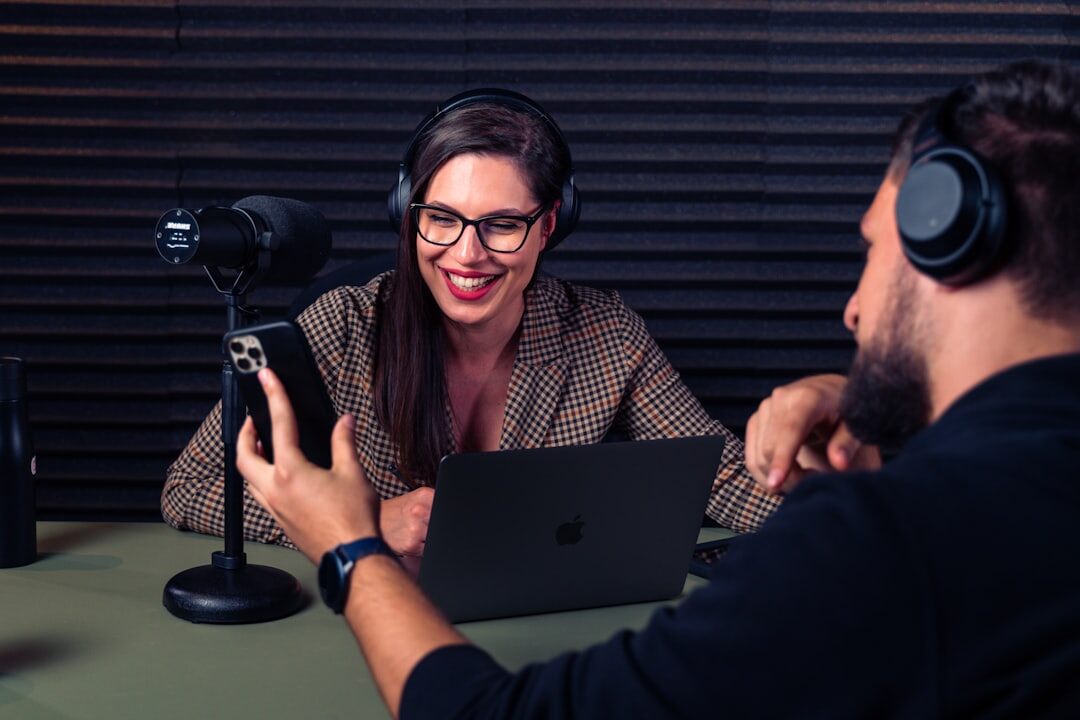
Starting a podcast from the comfort of your own home has never been more accessible, and with the right approach it can turn into a hit that reaches thousands of listeners. Many creators begin with just a quiet corner and a microphone, but turning that into something consistent and engaging takes planning and the right tools.
Choosing the Right Equipment
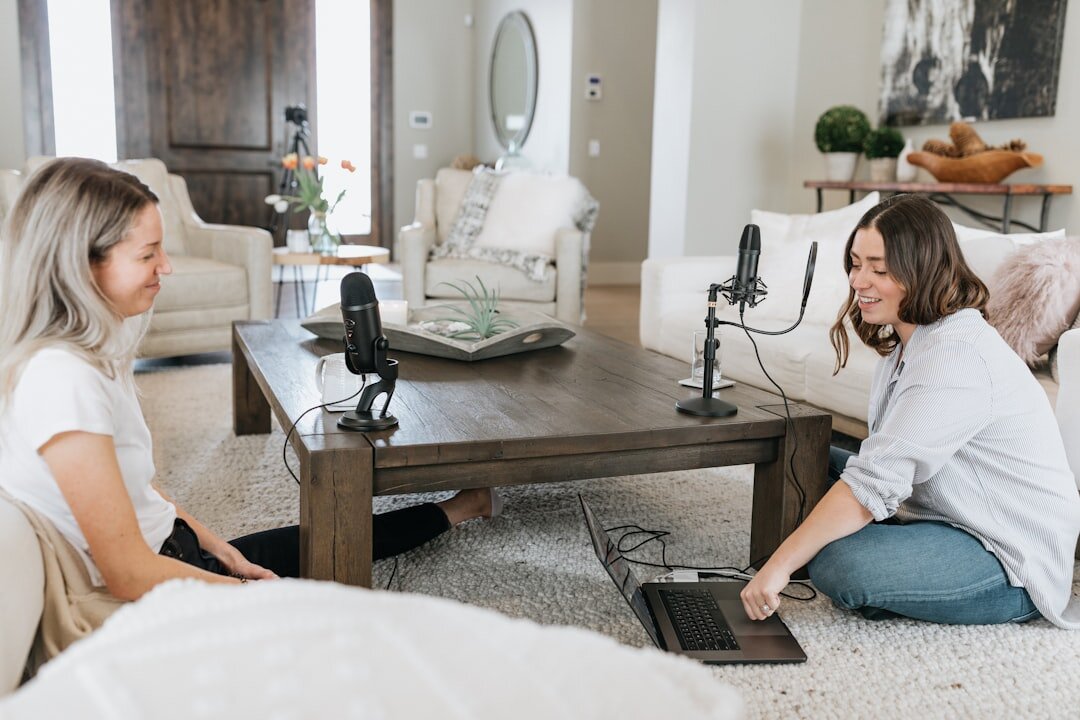
Begin by focusing on the basics that deliver clear sound without breaking the bank. A decent USB microphone paired with headphones will get you started, but investing in a simple mixer can make a big difference when you want to add guests later. Matchixel offers compact studio kits designed exactly for home setups, helping you avoid the trial and error that frustrates many beginners.
Creating an Effective Recording Space
Sound quality depends heavily on where you record. Pick a room with soft furnishings like curtains, rugs, and bookshelves to reduce echo. If the space feels too lively, adding foam panels or even heavy blankets can help dampen reflections. Position your desk away from windows and doors to minimize outside noise. Many successful podcasters start in a closet or spare bedroom before upgrading to a dedicated area.

Planning Content That Keeps Listeners Coming Back
Great episodes come from strong preparation. Decide on a niche you are passionate about and map out at least ten episode ideas before you record the first one. Create an outline for each show with key talking points, questions for guests, and natural breaks for ads or transitions. Consistency in length and release schedule builds audience trust faster than anything else.
Recording, Editing, and Polishing
Record in short takes if you are new to it, then edit out mistakes using free software like Audacity or more advanced options from Matchixel. Add light music beds or sound effects sparingly so they enhance rather than distract. Always listen back on different devices to catch issues before publishing. A clean, professional sound keeps people listening past the first few minutes.
Launching and Growing Your Audience
Once you have a few episodes ready, choose a hosting platform and submit to directories like Apple Podcasts and Spotify. Design simple cover art that looks good at small sizes and write compelling show notes with timestamps. Promote episodes on social media and reach out to similar shows for cross-promotion. Track downloads and listener feedback to refine future content.
With patience and steady effort, your home studio podcast can grow into something meaningful. Focus on delivering value to your audience and the rest tends to follow naturally.
“Reading Matchixel is like getting a backstage pass to how the shows we love actually get made.”

Sipho Nkosi
Podcast listener, Durban